
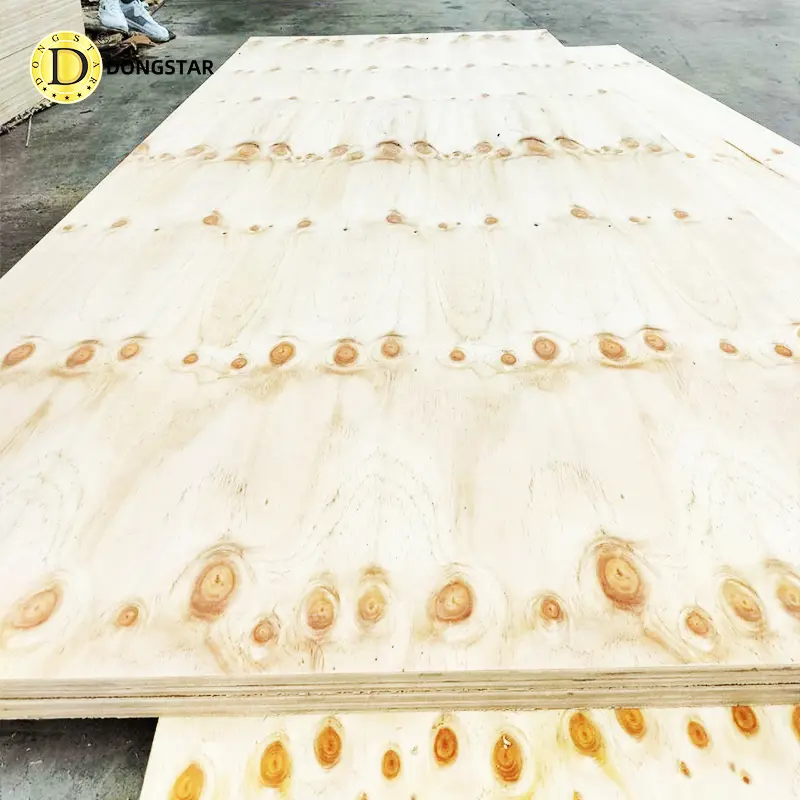
For sourcing premium Okoume, search for mills maintaining a 95% surface grade consistency across their 4x8 foot inventory. High-performance panels must demonstrate a density of 420kg/m³ and utilize E0-rated phenolic resins to ensure structural stability in high-humidity zones.
Engineers specify Okoume for its unique strength-to-weight ratio, which allows for a 30% reduction in cabinet weight compared to traditional birch alternatives. When evaluating an Okoume Plywood Supplier, verify that they source raw veneers from controlled logging concessions in Gabon that have been active since at least 2012.
Veneers under 0.3mm thickness often suffer from sanding breakthrough, so professionals request a minimum 0.5mm face layer to guarantee a smooth finish after applying multiple coats of polyurethane.
These face layers contribute to the distinct pinkish-brown tone that designers prefer for clear-coat finishes. Suppliers providing technical data sheets showing a moisture content range of 8% to 10% help contractors avoid the warping issues typically seen in panels stored in non-climate-controlled environments.
| Specification | Target Metric |
| Veneer Thickness | 0.5mm minimum |
| Glue Bond | WBP/Phenolic |
| Density | 400-450 kg/m³ |
| Formaldehyde Emission | E0 or E1 |
Selecting the right partner involves auditing their hot-press cycle times, which should last between 12 and 15 minutes at 120 degrees Celsius to ensure complete resin penetration. Mills documenting a defect rate below 2% in their QC logs over the last 50,000 produced panels represent the upper tier of the supply chain.
The mechanical bond between plys relies on the uniform application of urea-formaldehyde or phenol-formaldehyde adhesives, with a target spread rate of 140 grams per square meter for optimal panel rigidity.
Panel flatness is verified through laser-level testing, ensuring that a 2440mm length deviates by no more than 3mm. Consistency in the core composition, such as using lightweight poplar or eucalyptus for inner layers, helps maintain the overall panel strength while keeping the total weight manageable for yacht or aircraft interior fit-outs.
Shipping logistics require that containers are loaded with desiccant packs to prevent the plywood from absorbing atmospheric moisture exceeding 12%. Suppliers providing photographic evidence of proper dunnage and edge protection during the crating process reduce the risk of impact damage during international transport by approximately 85%.
Third-party lab reports confirming a bending strength modulus of elasticity (MOE) above 4,000 N/mm² validate that the panels meet international marine-grade standards.
Frequent communication with a designated export manager allows for real-time tracking of production schedules, especially when managing lead times for custom thicknesses ranging from 3mm to 30mm. Established importers often request samples from three separate batches to analyze glue-line integrity through a 72-hour boiling test, confirming the durability of the resin bond.
Building a long-term relationship with a manufacturer often grants access to custom dimensioning services that standard distributors do not offer. Negotiating price points based on annual volume commitments of over 20 containers frequently results in more favorable payment terms and priority status during peak construction seasons.